For Ranita Garcia, Building Community Means Making Sure No One Stands Alone
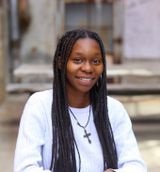
Ranita Garcia has learned that it doesn’t always take a big organization or a lot of money to bring a community together. Most of the time, it starts with one person bringing food, another offering supplies, someone else volunteering their time – a community deciding that no family struggles alone.
That energy has become the foundation of Garcia's work throughout Franklin County's Hispanic community. Through her nonprofit organization, Comunidad Unidad, Garcia helps organize cultural celebrations, community events and fundraisers while connecting families with resources when they need it most.
The Power of Comunidad Unidad
That work is the heart of Comunidad Unidad, a nonprofit organization Garcia started to help build around helping her community in times of need.
When I asked Garcia why she chose the name Comunidad Unidad, she said the name grew naturally from what she was already seeing.
“The community has always helped me,” Garcia said.
When they organize food sales or fundraisers and don't have everything they need, people will show up and contribute what they can. One person will bring food, another may provide ingredients, while others donate supplies or time.
In addition to cultural events and celebrations, Garcia's work also reaches families during their hardest moments. When someone becomes sick, community members organize fundraisers. When someone dies, they help families raise money to return their loved one's remains to their home country.
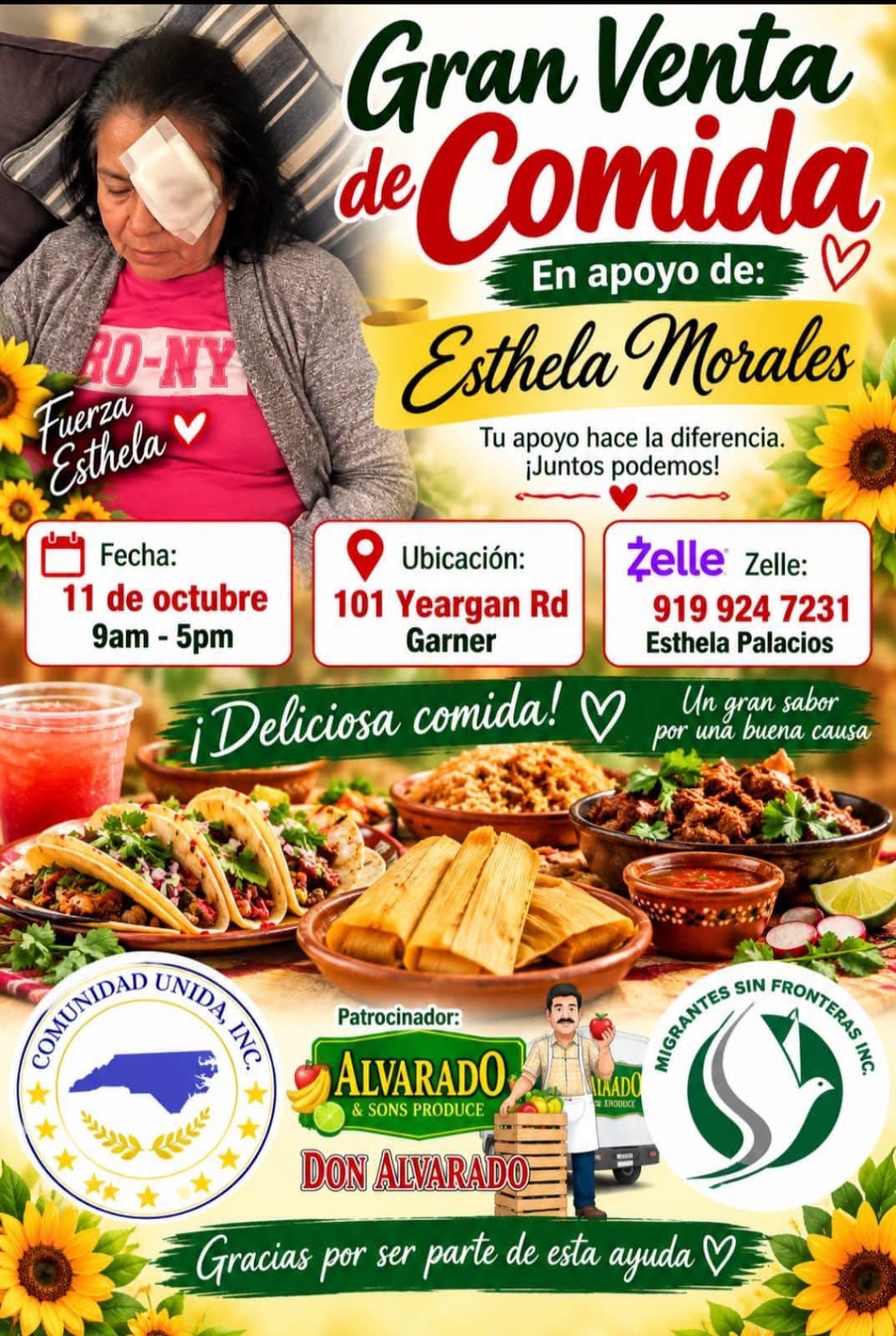
While Garcia is originally from Puebla, Mexico, her work supports families from different Latino communities who live and work in Franklin County.
She understands the importance of that support personally.
About a year ago, Garcia was diagnosed with cancer. Rather than allowing the diagnosis to separate her from the community, Garcia said being around people became part of what motivated her to keep moving.
“En lugar de estar ahí encerrado llorando, ‘voy a morir,’ entonces rodeado de tanta gente, eso me motiva mucho,” Garcia said.
English: “Instead of being locked up there crying, I’m going to die, being surrounded by so many people, that motivates me a lot,” Garcia said.
So when she sees other people struggling with illness, she tries to pass that strength along.
“Levántense, vamos a hacer algo.”
English: Get up. Let’s do something.
There's Another Side to This Community's Strength
As I was listening to Ranita, I couldn't help but be amazed by how much she and others have accomplished through relationships, volunteers and people simply caring enough to show up.
As our conversation continued, we were joined by Maria I. Renteral, Latino Domestic Violence Project Coordinator for Safe Space in Louisburg. Hearing them talk, I realized that these two women are an important resource for their community. They are the ones filling the gaps when people don't know where else to go.
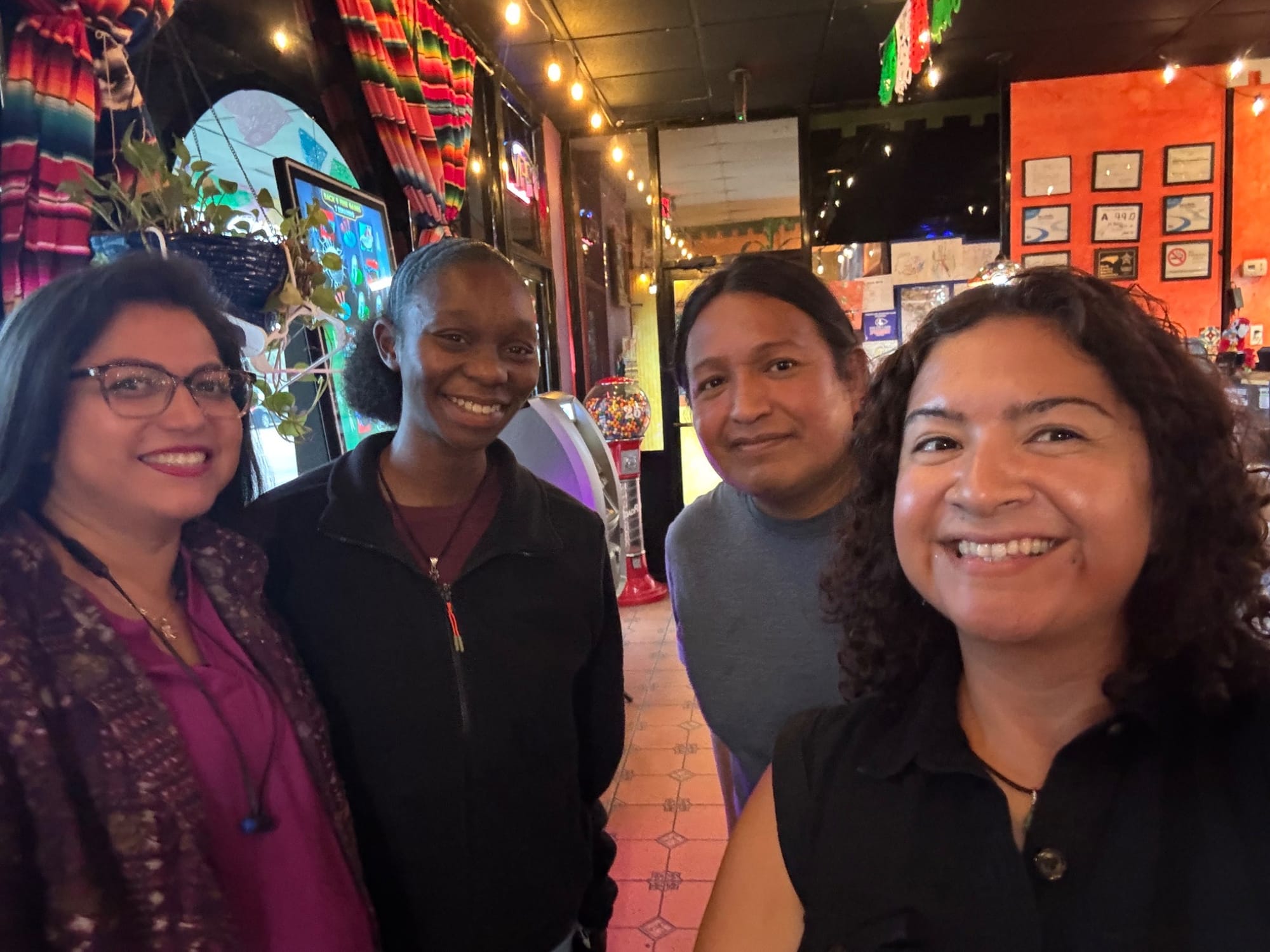
“Uno de los retos más grandes para la comunidad latina que yo enfrento a diario es el idioma,” Renteral said.
English: “One of the biggest challenges for the Latino community that I face daily is the language,” Renteral said.
Renteral explained that in her line of work, interpreters may be available in court, but they are not always available. And even when they are present, having someone's words translated doesn’t always guarantee that a person understands complicated legal terminology or what happens next.
Both Garcia and Renteral say that another challenge is a lack of resources and services.
“We need more resources. We need more assistance, and like for the Hispanic community, we have none,” Renteral said. “We need more resources for mental health. We need a lot, a lot.”
Renteral said families sometimes have to seek services in Raleigh or Durham, only to be turned away.
“We have zero. You don't find services. We have to send them to Raleigh or Durham,” Renteral said. “When we sent them there, they said, ‘Oh, you're not from this county. We only assist Wake County. We only assist Durham County."
Unity Means Everyone
That part of the conversation stayed with me after we went our separate ways because we hear a lot about needing more funding, more services and more community unity. But listening to them made me realize that maybe the question can't stop at whether Franklin County needs more resources. We also have to ask who those resources are reaching and who may still be missing from the conversation.
We can't talk about becoming a more united county without intentionally including communities that are not always represented in the rooms where resources, partnerships and priorities are decided.
Garcia has already shown what can happen when those connections are made. She and others recently helped bring Mexican consular services to Louisburg, making important resources more accessible to the local community.
Now Garcia wants more of those connections.
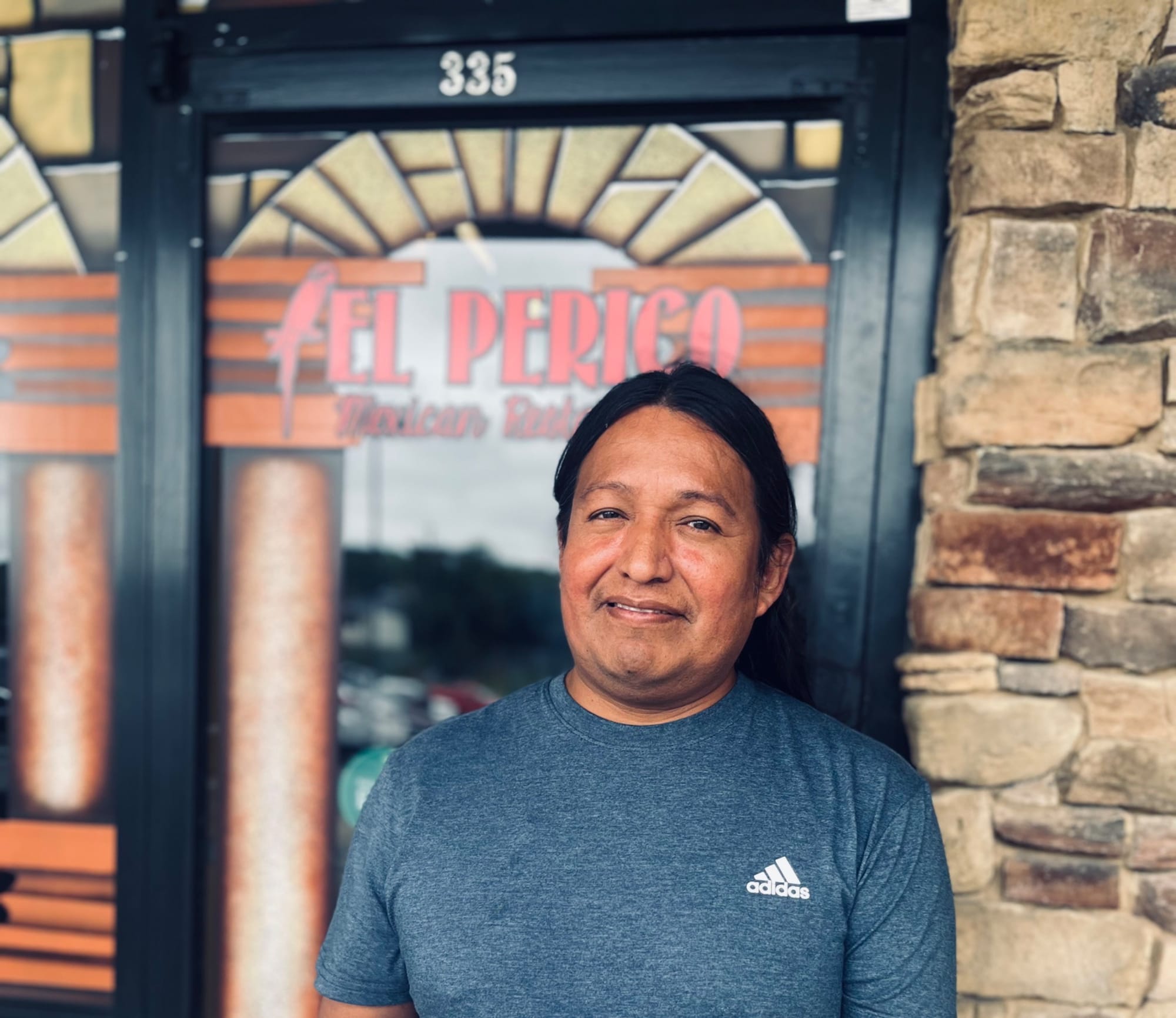
“Necesito la unión, el apoyo de ellos más que nada,” García said.
English: I need unity, their support more than anything.
She wants more organizations involved, more partnerships and more people willing to participate in the work already happening.
What impressed me most about Ranita was not simply how much she does, but how naturally she talks about doing it together. She is not asking Franklin County to come in and take over the work her community has already built. She is asking more people to recognize it, connect with it and help strengthen it.
Franklin County's Hispanic community is already showing what community unity can look like.
Perhaps the next step toward becoming the united county we so often talk about is making sure they don't have to keep doing so much of that work alone.