
Labor Day Is More Than a Day Off: The Workers Who Built Granville County

For many families across North Carolina, Labor Day means a day away from work, one last summer cookout or simply a chance to rest before returning to work Tuesday morning.
Here in Granville County, it's also a reminder of a history that can be found in the tobacco fields, old warehouses, factories and businesses that helped build the community we know today.
So on this Labor Day, let’s look back at some of the Granville County workers whose stories may not always make it into our history books.
Labor Day Started With Workers
On September 5, 1882, the first Labor Day celebration was held in New York City by the Central Labor Union bringing thousands of workers together in the fight for recognition and better working conditions.
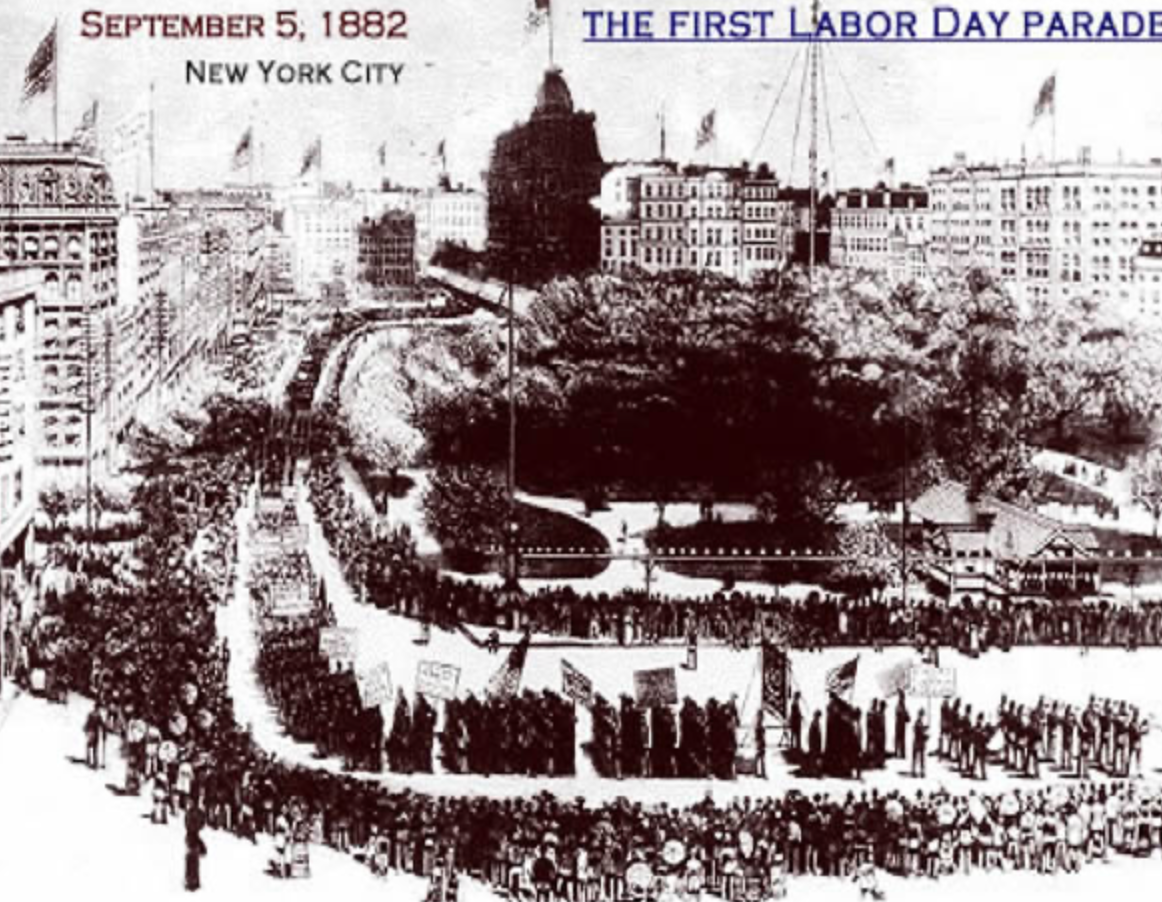
In 1894, Congress officially made the first Monday in September a federal holiday honoring American workers.
Fun Fact: There is even a mystery behind who created it. Historians have debated whether labor leader Peter J. McGuire or machinist Matthew Maguire deserves credit for first proposing the holiday.
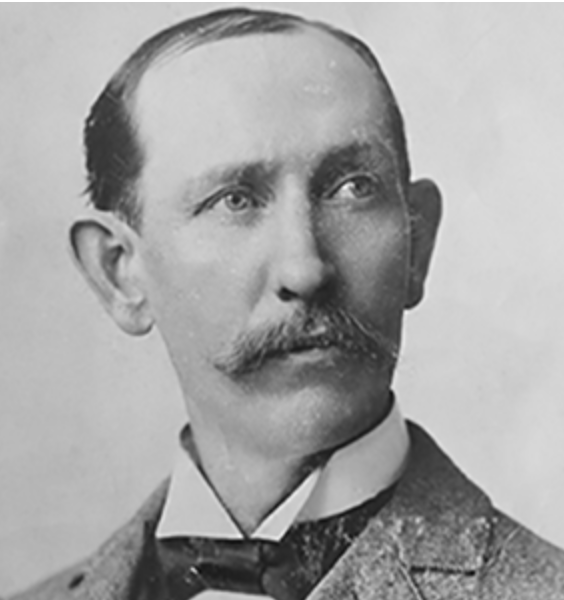
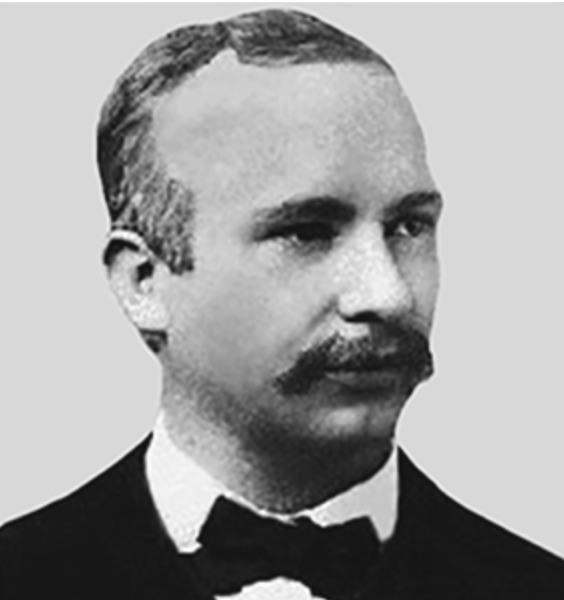
Left to Right: Peter J. McGuire and Matthew Maguire
140 years after the first Labor Day celebration, it's worth remembering Granville County's own labor story.
Before the Factories, There Were the Fields
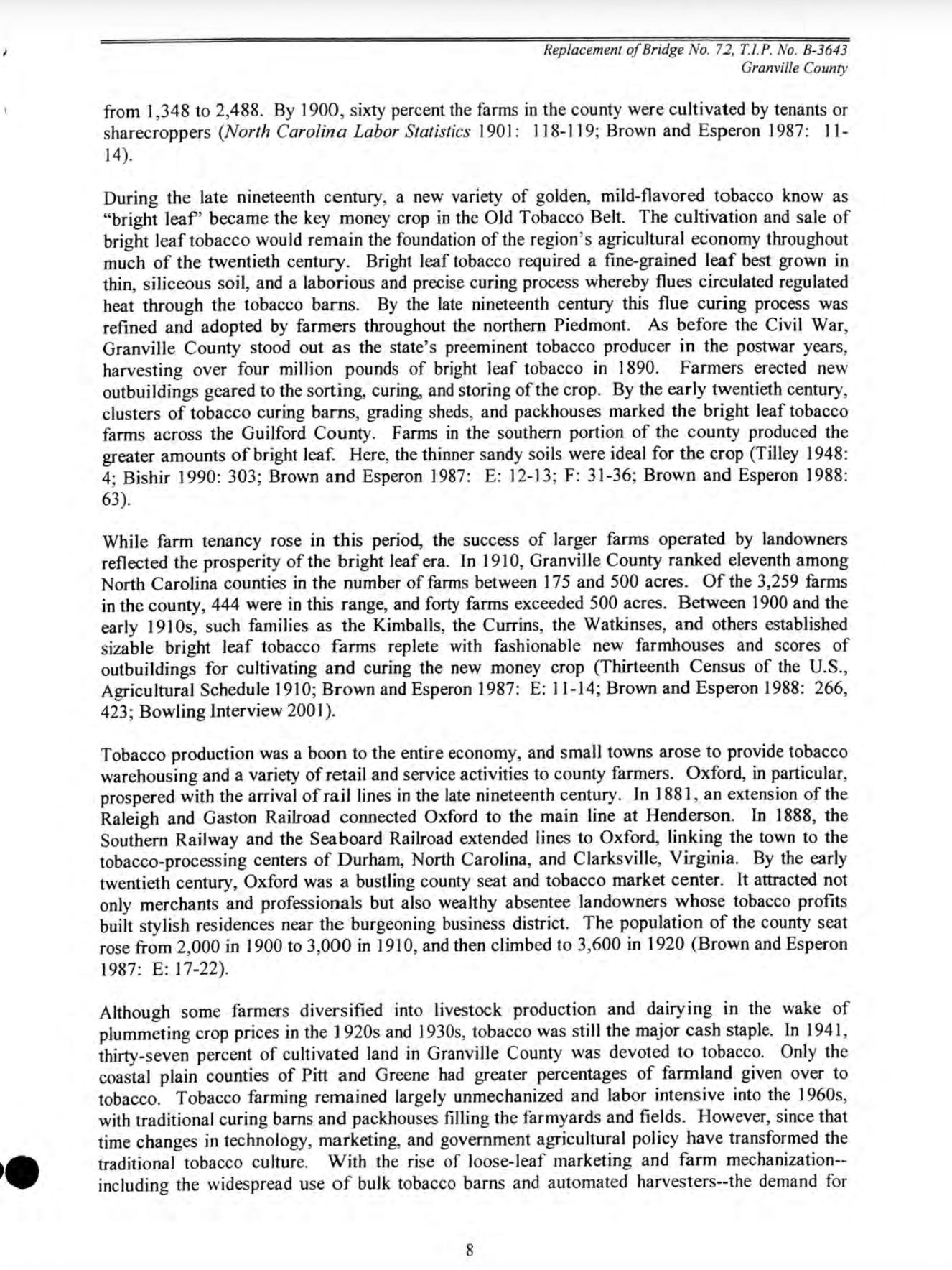
Before industrial parks and manufacturing plants came to Granville County, tobacco – and slavery – were major parts of its economy.
Granville County’s early agricultural economy depended on enslaved labor. During the 1800s, Granville, along with others, had as many as 10,000 enslaved people.
But Granville also had a large population of free Black residents, including skilled craftsmen and masons. Most farms, homes and wealth we associate with early Granville County history were built by them.
Freedom Came, But Economic Independence Was Harder
After slavery ended, tobacco remained important, but another labor system grew.
By 1900, roughly 6 out of every 10 farms in Granville County were being worked by tenants or sharecroppers.
Working with tobacco required a lot of physical labor. Workers had to plant it, tend it, top it, harvest the leaves, transport them, string them, hang them and carefully cure them. Most worked without recognition until one lady changed that.
In July 1939, documentary photographer Dorothea Lange came to Granville County and photographed Black and white sharecropping families around Shoofly.
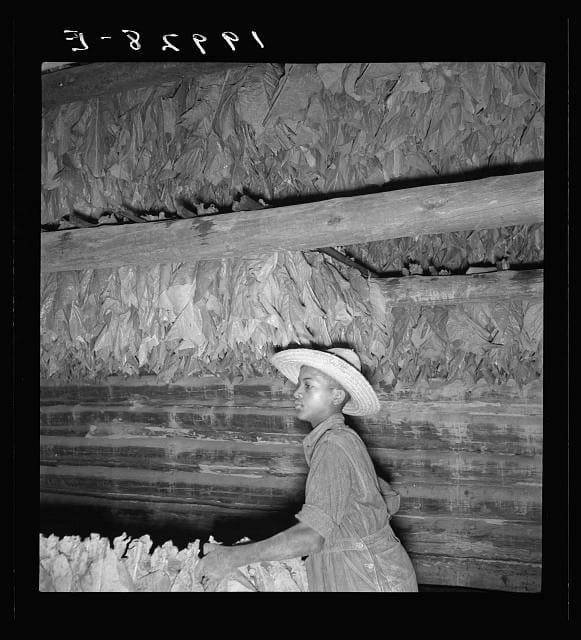
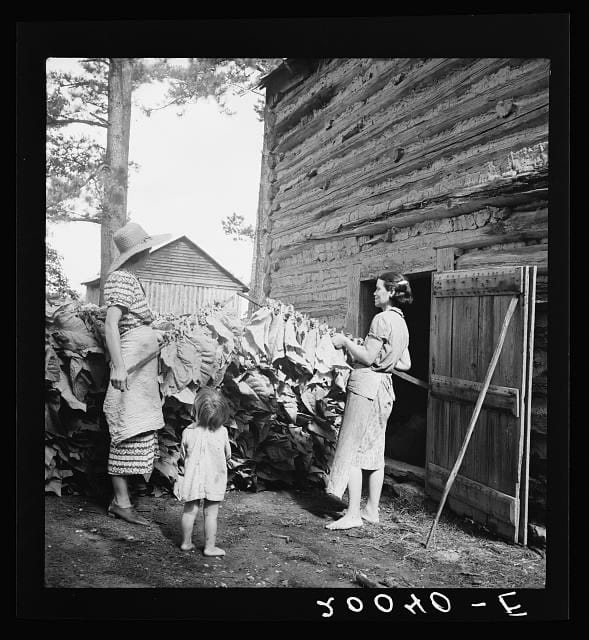
(Left to Right) Son of sharecropper and sub tenant hanging up strung tobacco inside barn. Shoofly, North Carolina. Wives of tobacco tenants pile the tobacco before the barn preparatory to firing. Granville County, North Carolina
The Library of Congress still holds 34 photographs from that collection showing people harvesting tobacco, moving leaves through fields, stringing tobacco and preparing it for curing.
Did You Know? Granville Has a Tobacco Disease Named After It
The Tobacco Disease was called Granville Wilt.
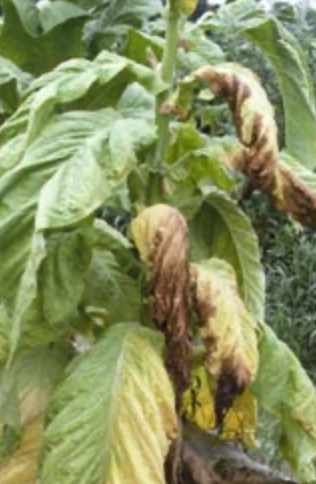
In the late 1800s, tobacco plants in this area began mysteriously wilting and dying. The disease became so bad that some farmers reportedly sold or abandoned farms.
The problem eventually helped make Oxford an important location for tobacco research because in 1912 the Oxford Tobacco Research Station was established.
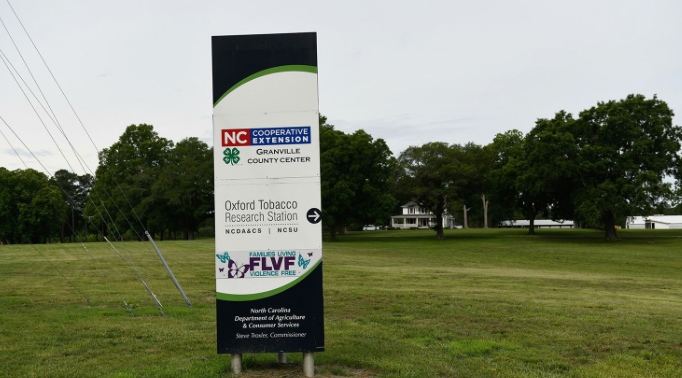
Researchers there would later help develop tobacco varieties resistant to Granville Wilt and another disease called black shank and also contribute to improvements in tobacco curing.
So Granville County didn't just grow tobacco, it helped change how tobacco was grown and protected.
Fun Fact: Granville County was harvesting more than 4 million pounds of bright-leaf tobacco by 1890. By 1930, approximately 7,000 people in Granville County worked in tobacco-related industries.
From Tobacco Fields to Factory Floors
As the tobacco period started to decline, Granville County’s workforce changed to a different type of economy: Manufacturing
By the 1950s, manufacturing became a part of Granville County’s economic history. Local employers over the decades included:
- Burlington Industries
- Vogue Hosiery Mill
- Ray Lumber Company
- Lenox China
- Ideal Fastener
- CertainTeed
- Kayser Roth
- Northern Telecom
When Burlington Industries announced the closure of its Oxford yarn plant in 2006, approximately 450 jobs were expected to disappear. For families whose relatives had worked there for decades, losing a factory meant losing a way of life.
Granville County Is Still a Working County
Granville County’s job options are different today, but working people are still the lifeblood of our culture and economy.
As of April 2026, Granville County reported:
- Labor force: 28,909
- Employed: 27,972
- Unemployed: 937
- Unemployment rate: 3.2%
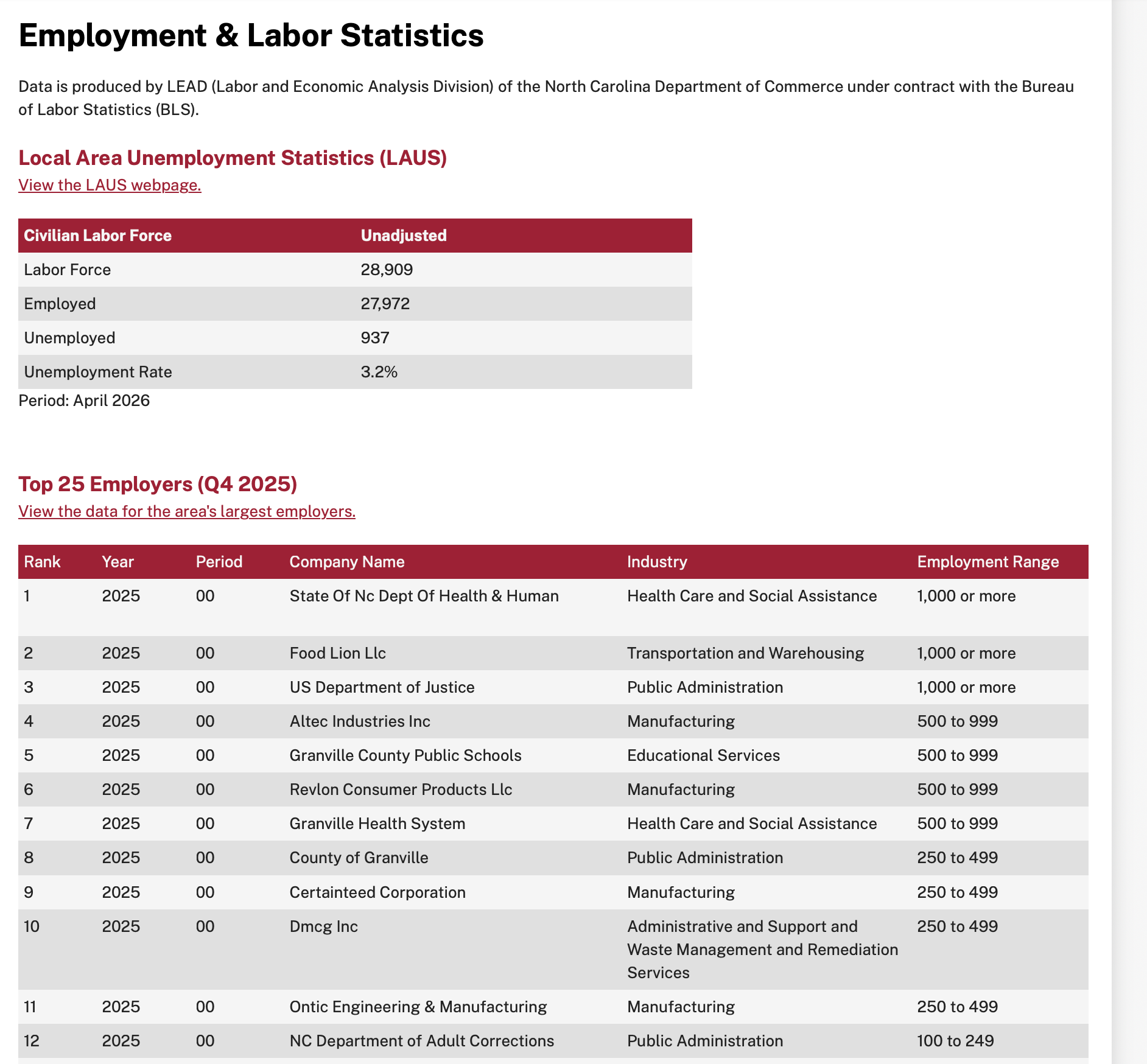
Among the county’s largest employers today are the N.C. Department of Health and Human Services, Food Lion, the U.S. Department of Justice and Altec Industries.
This Labor Day, Remember the People
Labor Day is about more than having a Monday off. It's an opportunity to remember that Granville County was built by working people.
Industries have changed. Companies have come and gone. Buildings have been torn down or repurposed.
But behind every chapter of Granville County’s history were people who went to work.
And on this Labor Day, their stories deserve to be remembered too.
COMMUNITY HISTORY QUESTION: Do you remember working at Burlington Industries, Lenox, Ideal Fastener, Northern Telecom, a tobacco warehouse or another longtime Granville County employer? Did your parents or grandparents work there?
County Beacon wants to hear from you. Email us at CountyBeacon@BeaconMediaNC.org to share your family's story.