Medicaid Cuts Aren’t Just a Health Care Issue: What They Could Mean Inside Franklin and Granville County Schools


When you hear the word Medicaid, what do you think of? Is it doctor's appointments, prescriptions or hospital bills? All of that is true, but with Medicaid cuts on the way thanks to Trump's One Big Beautiful Bill, one Franklin County resident is sounding the alarm about how these cuts will impact a place we don't usually associate with Medicaid: public schools
"Medicaid Cuts Directly Impact School Budgets"
Rosemary Champion, a Louisburg resident and former Franklin County School Board member, recently raised concerns in a letter to the editor of The Franklin Times, stating that cutting Medicaid would place more stress on public schools and the people providing health and support services to students.
“Medicaid cuts directly impact school budgets,” Champion wrote.

According to the North Carolina Department of Public Instruction, public school systems can receive Medicaid reimbursement for health services they provide to eligible students.
Those services can include:
- Speech-language therapy
- Occupational therapy
- Physical therapy
- Audiology
- Behavioral health services
- Nursing services.
North Carolina's current Medicaid policy outlines how vision and hearing screenings are also considered school-based services reimbursable by Medicaid. Local education agencies receive reimbursement for qualifying services provided under plans such as:
- Individualized Education Program (IEP)
- a 504 plan
- Behavioral intervention plan
- Individual health plan.
“Schools losing this funding remain responsible for many of these services,” Champion wrote.
Schools are not required to provide every service that can be reimbursed by Medicaid. However, the Federal Individuals with Disabilities Education Act (IDEA) and a student's IEP can require schools to provide services regardless of whether or not Medicaid reimburses the district.
Franklin County:
In Franklin County Schools, registered nurses manage students' health needs, conduct vision screenings, develop individual health and emergency care plans and help provide specialized health procedures.
Franklin County Schools also have professionals such as speech-language pathologists, occupational therapy staff, physical therapists, social workers and other Exceptional Children support personnel.
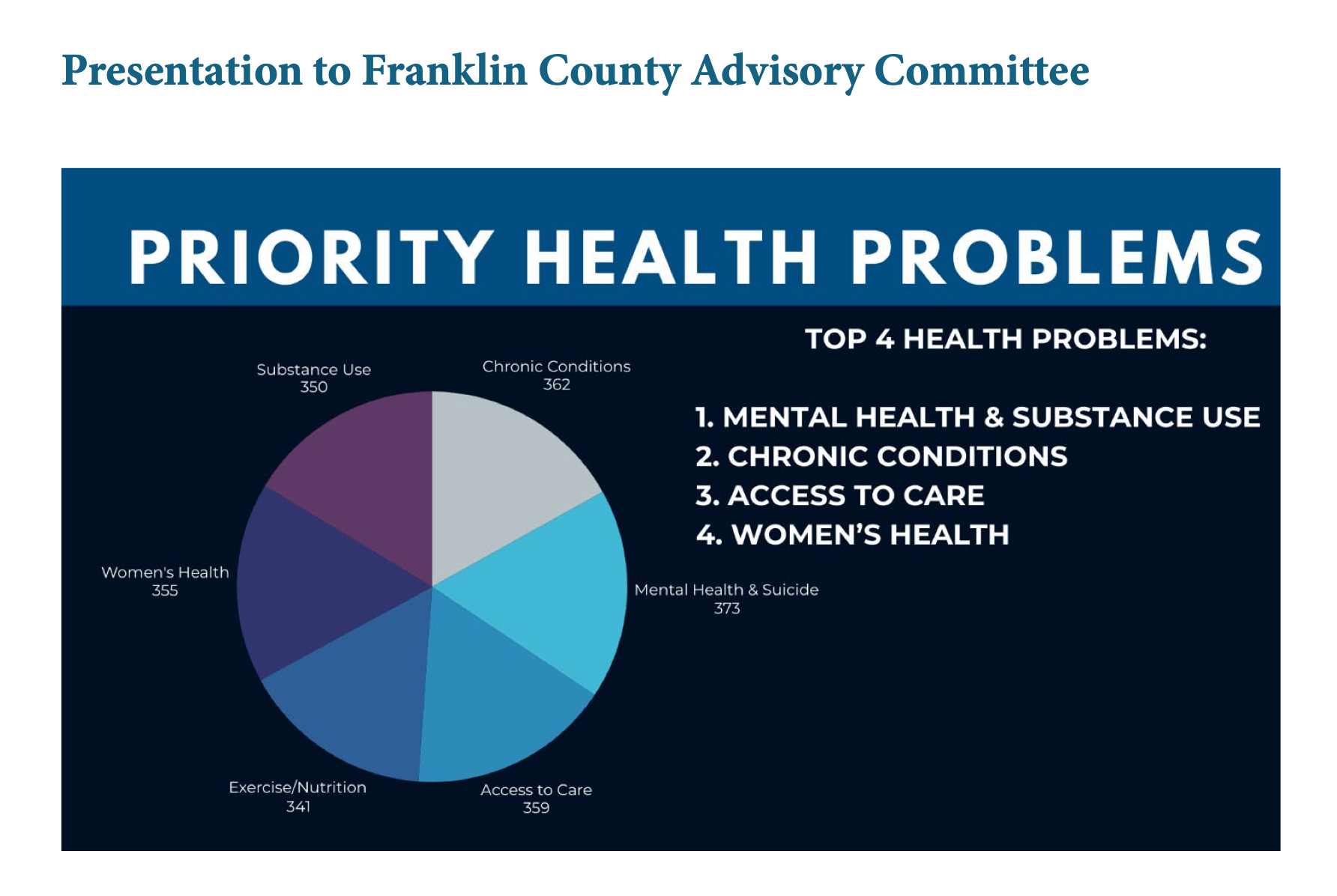
So funding is very important in a district where roughly 14% of students have been identified as Exceptional Children and access to care is among the Top 4 Priority Health Problems in the county’s 2024 community health assessment.
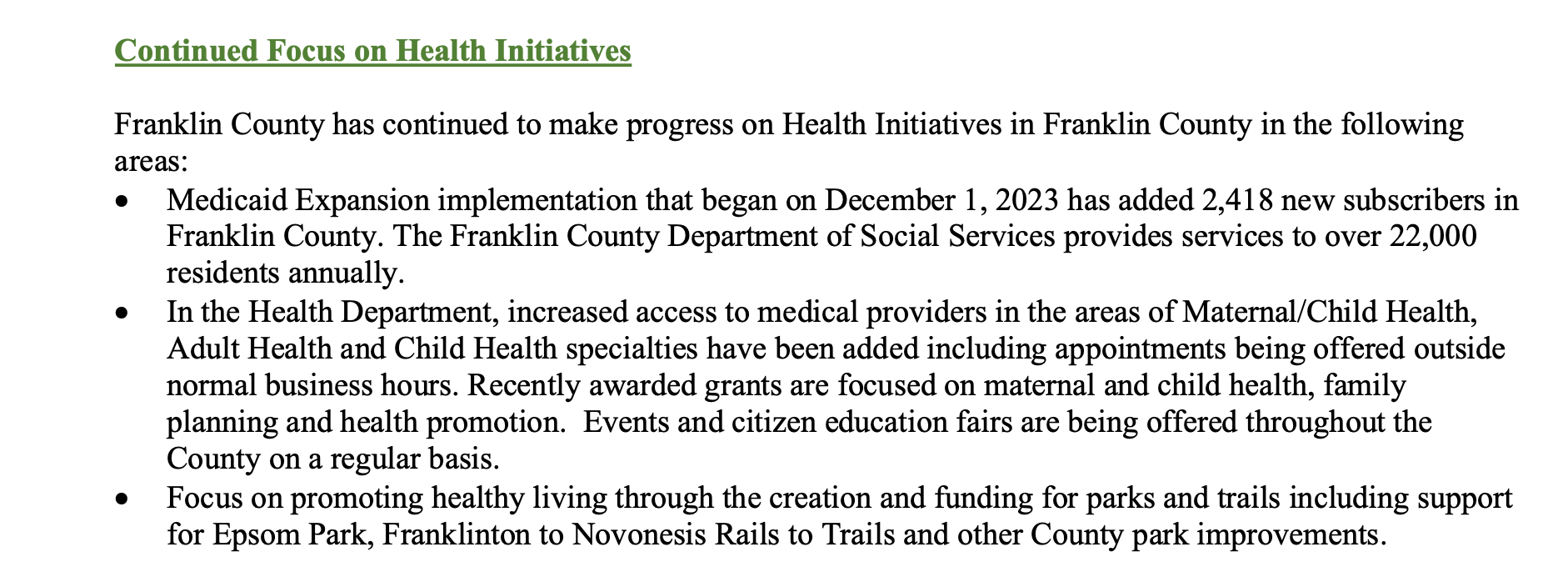
Franklin County is growing rapidly, and after North Carolina expanded Medicaid, Franklin County reported 2,418 new Medicaid enrollees by the time its FY2025 budget was prepared.
Granville County:
Granville County Public Schools also lists its school nurses, school social workers and a Student and Family Services department that supports students.
And Medicaid itself has a big presence in Granville County.
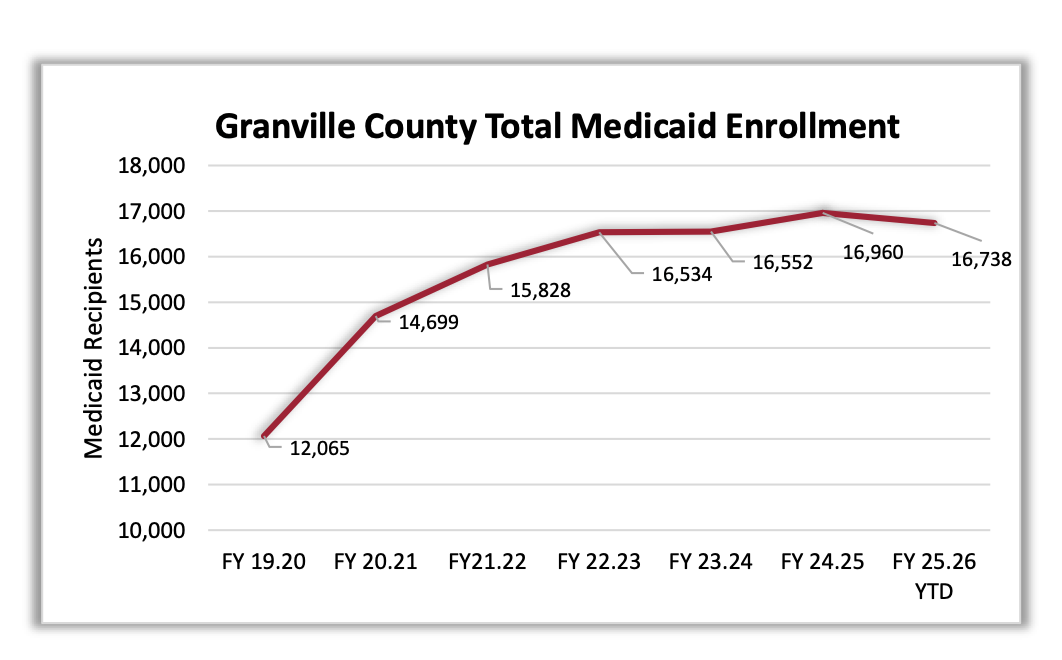
County records show total Medicaid enrollment grew from 12,065 people in FY 2019–20 to 16,960 in FY 2024–25. Granville reported 16,738 recipients during FY 2025–26 year-to-date.
What Did Washington Actually Change?
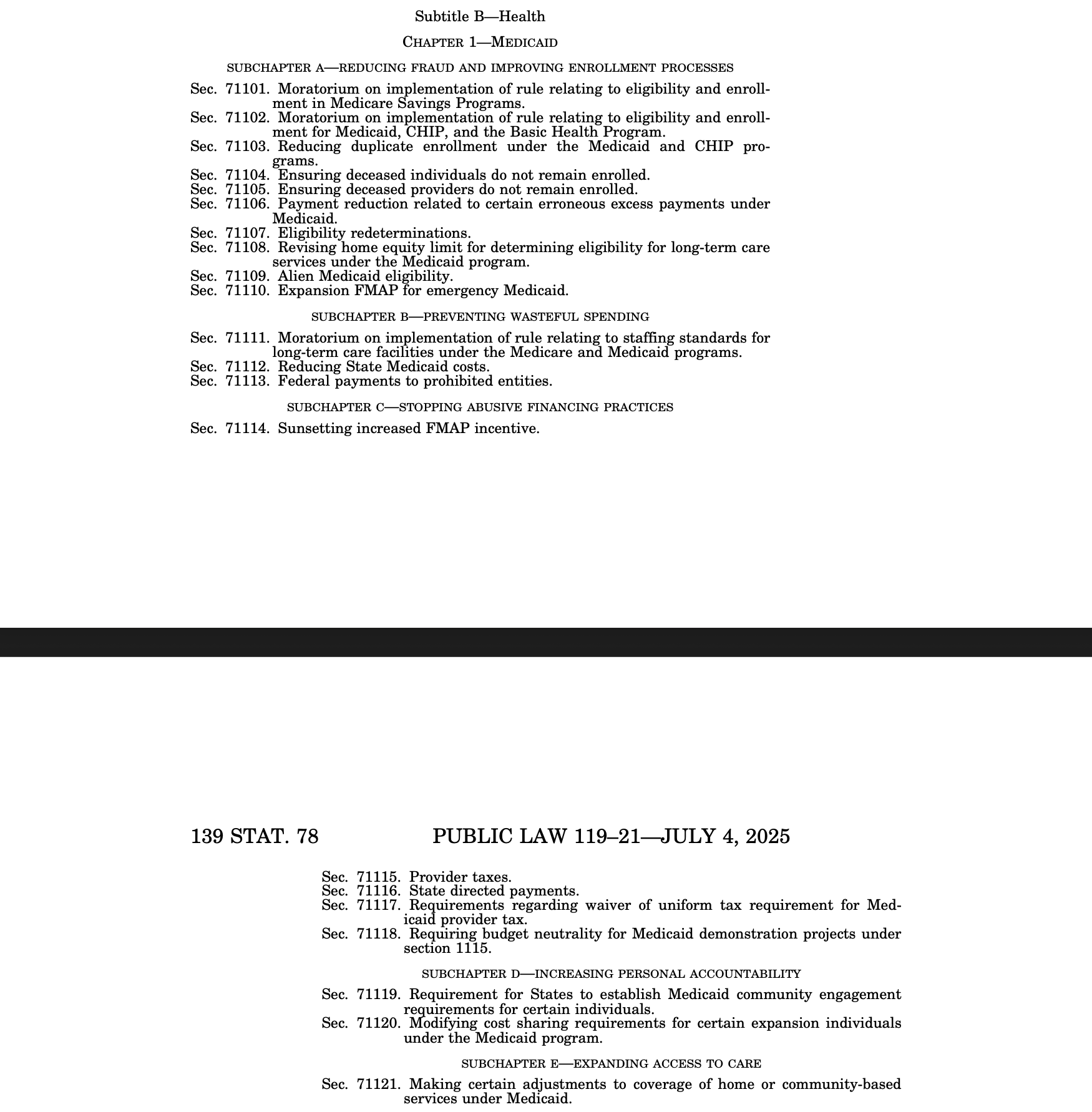
In July 2025, Congress enacted Public Law 119-21 (also known as the One Big Beautiful Bill Act), a sweeping federal budget reconciliation law containing major Medicaid changes.
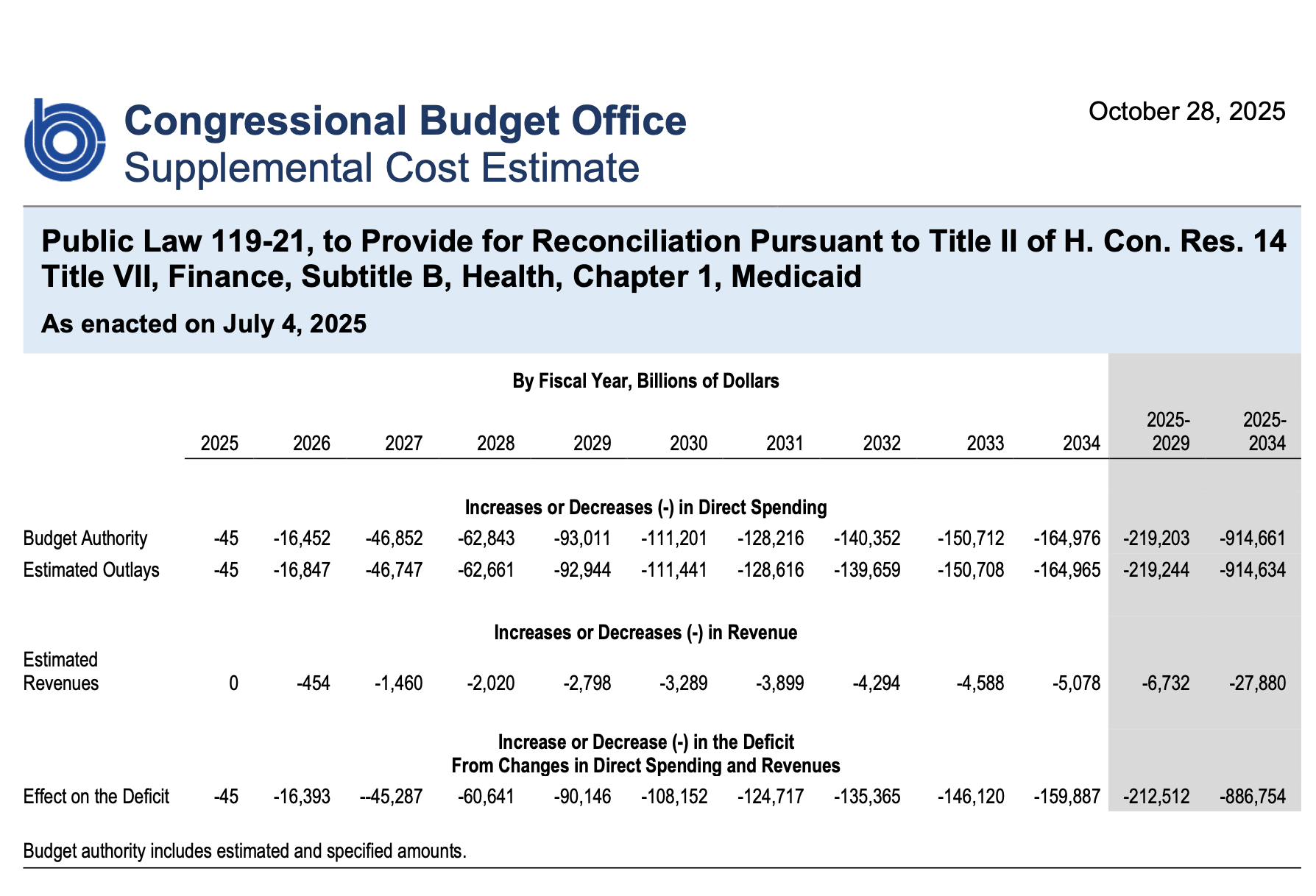
The Congressional Budget Office estimates that its Medicaid provisions will reduce federal deficits by approximately $886.8 billion from 2025 through 2034. CBO also estimates that the Medicaid provisions will contribute to 7.5 million more people being uninsured in 2034.
A newer CBO analysis projects approximately $1.2 trillion less in federal Medicaid spending through 2035 as a result of the law and major changes to Medicaid eligibility, enrollment and financing.
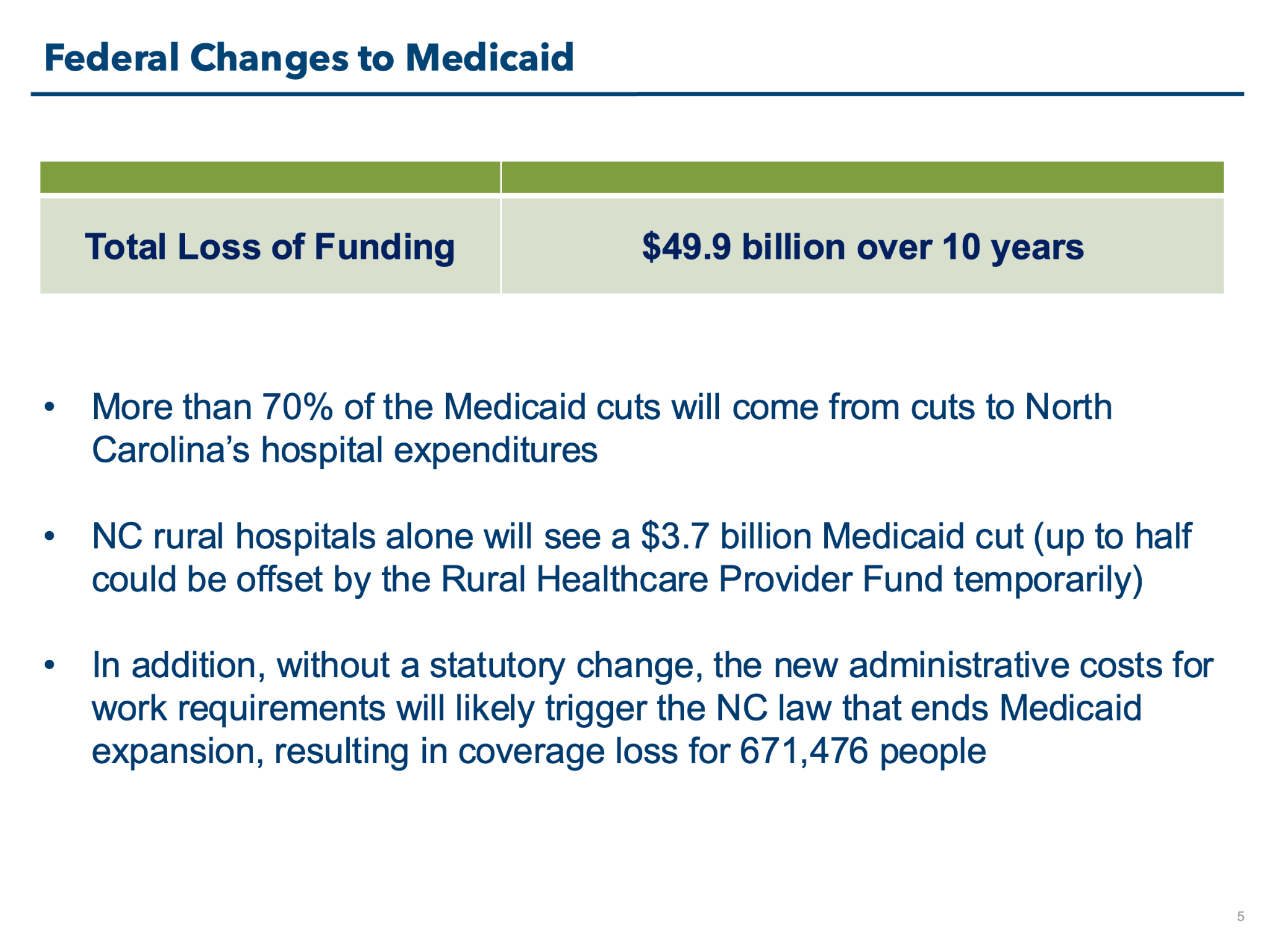
For North Carolina specifically, the Department of Health and Human Services previously estimated federal Medicaid changes could mean about $49.9 billion less flowing to the state's Medicaid system over 10 years, with hundreds of thousands of North Carolinians potentially losing coverage.
Fewer people with health insurance will mean less money for hospitals – especially rural hospitals – and public schools will have to make tough choices about what to cut to continue funding required health services.
Call to Action for Franklin and Granville County Families
Champion ended her letter with a call for communities to oppose the Medicaid changes.
“ We cannot allow this to happen to our public schools and students who need these services,” she said.
Because when we talk about Medicaid, we need to think about our public schools as well.
Think about a nurse checking on a child's medical condition, a speech therapist helping a student communicate, a behavioral-health professional helping a student get through the day.
This is where a national policy headline becomes a part of Franklin and Granville County's story.
All content published by County Beacon is available to be republished for free on all platforms under Beacon Media’s guidelines.