Who Built Franklin County? The Forgotten Workers Behind Labor Day

Before Labor Day became all about cookouts, store sales and three-day weekends, it was first about something much simpler: the people who worked.
So when we celebrate Labor Day in Franklin County, who exactly are we honoring?
To answer that question we first have learned the history behind it.
Why Do We Celebrate Labor Day?
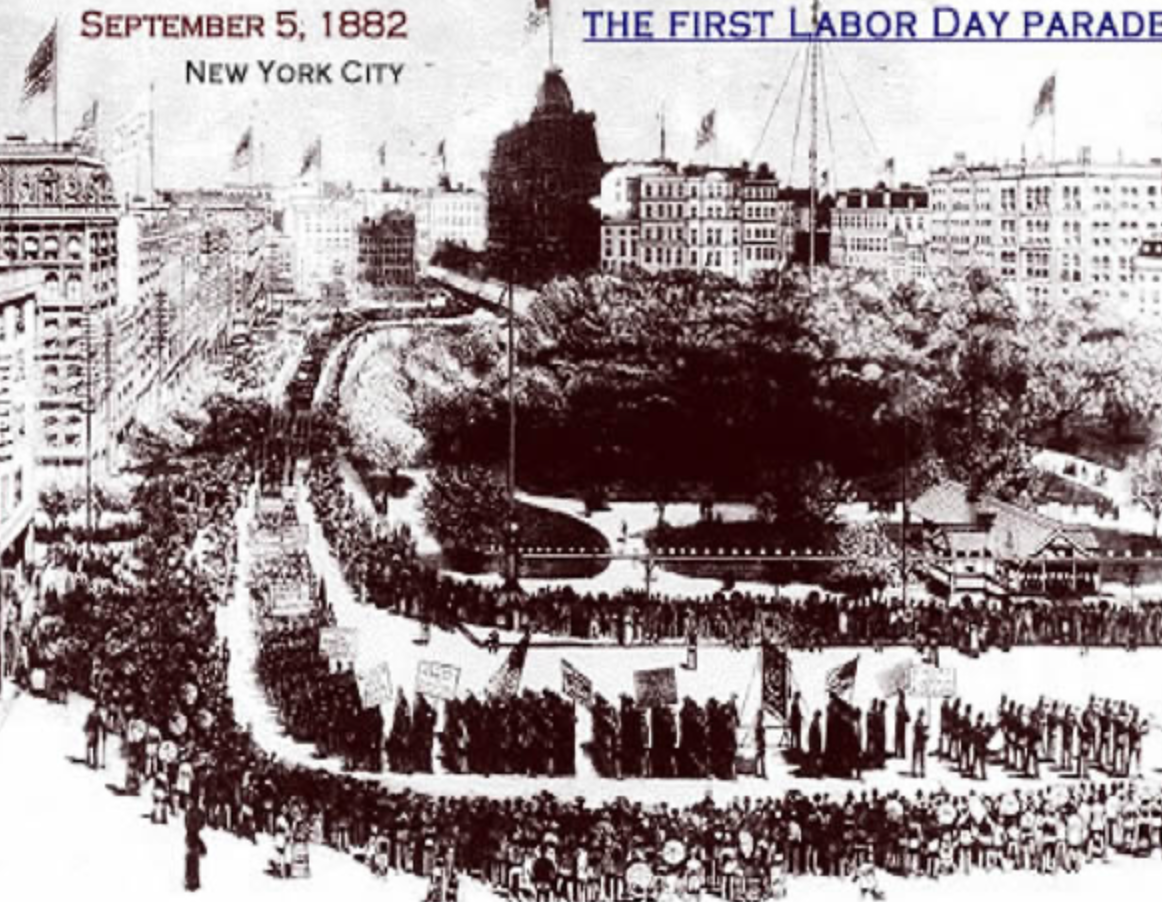
On September 5, 1882, the first Labor Day celebration was held in New York City by the Central Labor Union bringing thousands of workers together in the fight for recognition and better working conditions.
In 1894, Congress officially made the first Monday in September a federal holiday honoring American workers.
Fun Fact: There is even a mystery behind who created it. Historians have debated whether labor leader Peter J. McGuire or machinist Matthew Maguire deserves credit for first proposing the holiday.
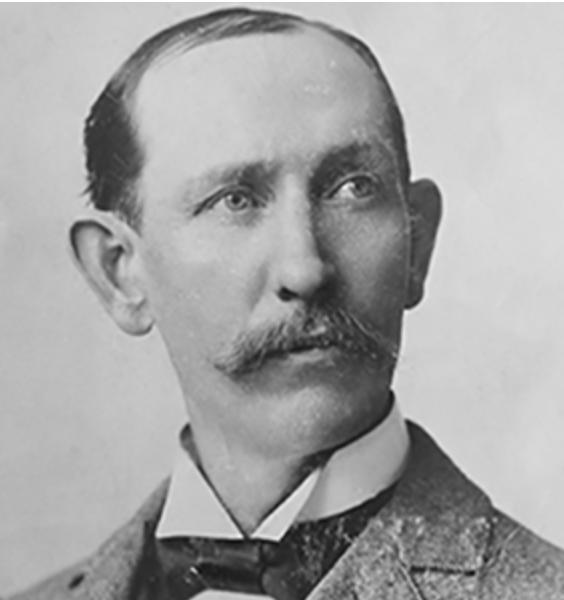
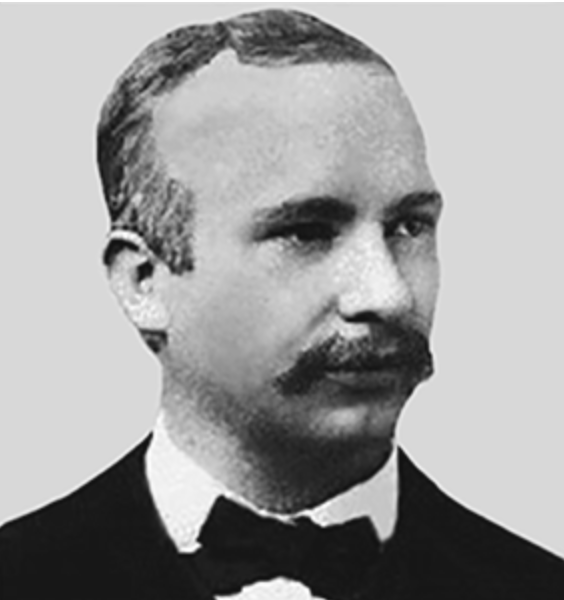
Left to Right: Peter J. McGuire and Matthew Maguire
While Labor Day was beginning hundreds of miles away, Franklin County was writing its own story of work.
Before Franklin County Clocked In, We Worked the Land
When you think of Franklin County, you automatically think “Agriculture”.
Before the Civil War, the land was how people in Franklin County provided for their families. Franklin County's economy included mills, cotton gins, tanneries, shoemakers, cobblers, carriage works, distilleries, hotels, stores and even an iron and brass foundry.
Louisburg, the county’s capital, developed into a commercial center where cotton and wheat were at the forefront – that was until tobacco arrived on the scene.
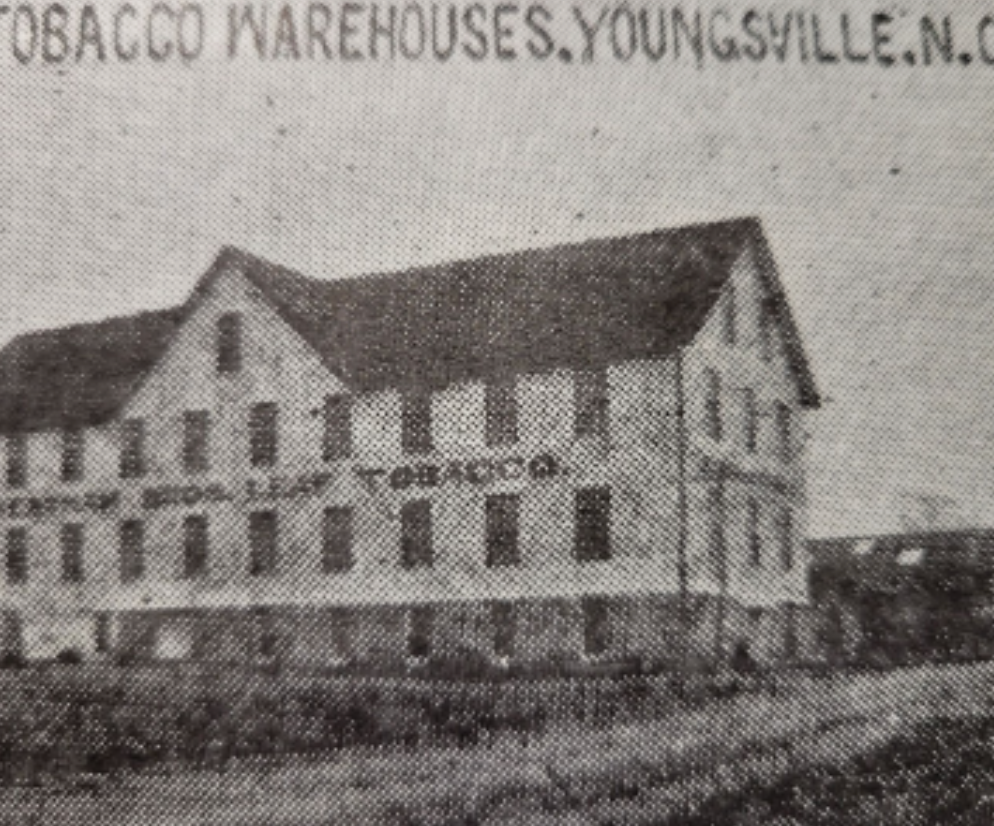
In the late 1800s, tobacco warehouses operated in Louisburg and Youngsville, while Franklinton had a factory processing plug tobacco.
By 1900, Youngsville had become one of the largest tobacco markets in the South, with millions of pounds moving through the town.
Fun Fact: School schedules were once connected to tobacco labor. Schools were let out during tobacco harvest so additional labor was available. The opening of tobacco auction markets became community events.
Formerly Enslaved People Helped Build Franklin County
After emancipation, many Black residents worked as tenant farmers and sharecroppers. Their labor helped sustain Franklin County's agricultural economy, but freedom did not immediately create equal economic opportunity.
As new industries developed, Black and white workers did not always have access to the same jobs.
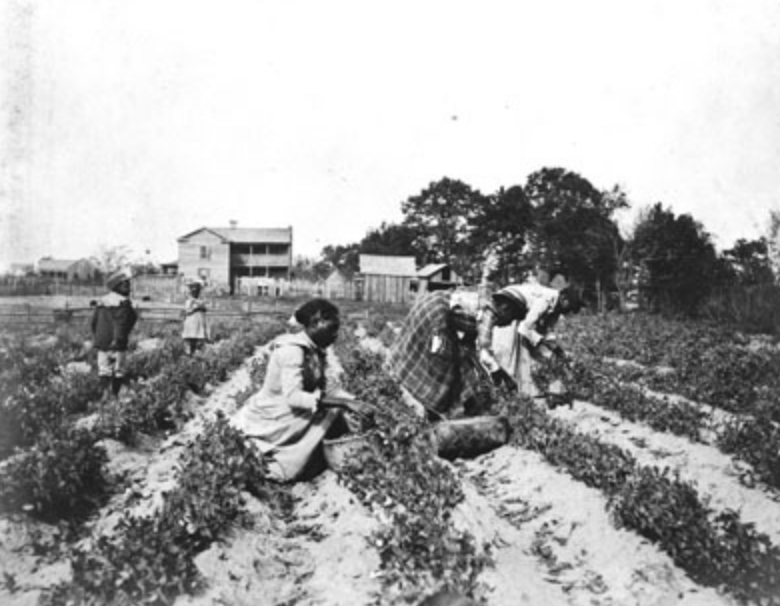
That is important to remember on Labor Day because our history is not only the story of the people who owned the farms, warehouses and businesses.
It is also the story of the people whose hands did the work.
The History of the Sterling Cotton Mill
Franklin County's industrial workforce started with Franklinton's Sterling Cotton Mill.
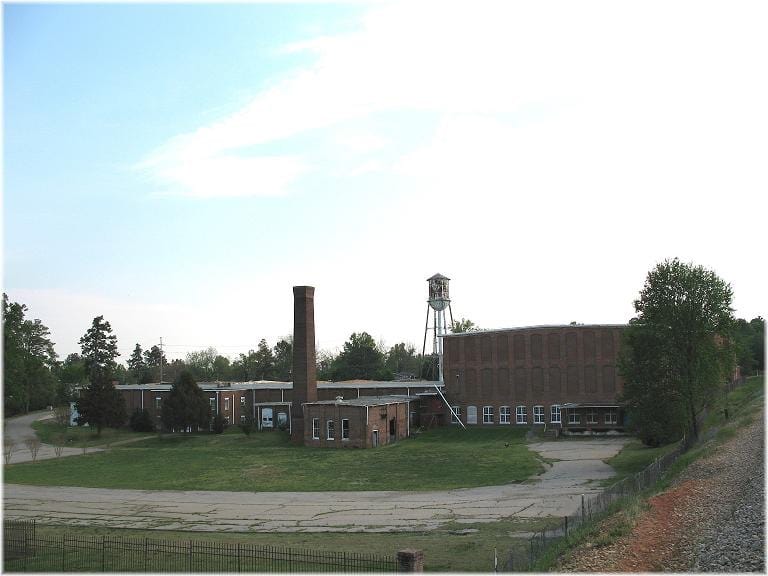
Established by Samuel C. Vann in 1895, Sterling manufactured cotton yarn and became an important source of jobs and economic activity. It survived the Great Depression, recovered during the 1940s and 1950s, but eventually closed in 1991.
Historical records show the company owned houses around its operation that were rented to employees and former employees, meaning the mill helped shape not only where Franklin County residents worked, but where they lived.
Fun Facts: Records involving Sterling's workers, finances and wages are preserved today at NC State University Libraries.
Our History Is Their Work
Labor Day may give many of us Monday off, but Franklin County's story reminds us why these holidays even exist in the first place.
Our county was built by generations of people who planted crops, worked tobacco, operated machinery, taught children, built roads, cared for families, opened businesses and left home every morning because there was work to do.
Today, Franklin County might have changed the type of jobs we have. But Franklin County has never changed the way we worked to sustain it.
COMMUNITY HISTORY QUESTION: Did you, your parents or your grandparents work in tobacco, at Sterling Cotton Mill, or as sharecroppers, farmers, or another job that helped shape Franklin County? County Beacon wants to hear those stories, because some of our most important local history may still be sitting around our neighbors' kitchen tables. Email us at CountyBeacon@BeaconMediaNC.org to share your family's story.